Choosing an industrial painting contractor is not as simple as comparing a few estimates and selecting the lowest price. Industrial facilities come with unique challenges, including active work areas, heavy equipment, strict schedules, safety requirements, and surfaces that need specialized preparation.
The right contractor should understand how to complete the work without creating unnecessary problems for your employees or operations. Before hiring anyone, here are the most important factors to consider.
Every industrial painting project requires a clear plan. The contractor should take the time to understand how your facility operates, which areas will be available, and what restrictions may affect the work.
For example, will machinery need to be moved? Can certain areas be closed temporarily? Will employees still be working nearby? Is there enough room for lifts, sprayers, and other equipment?
A contractor who asks these questions early is more likely to prevent delays once the project begins.
You should receive a realistic estimate of how long the project will take. That timeline should include surface preparation, priming, painting, drying, and final inspection.
Be cautious of anyone who promises an unusually fast turnaround without explaining how the work will be completed. Skipping preparation or rushing drying times may help the project move faster at first, but it can also lead to peeling, bubbling, or early coating failure.
The goal should be to finish efficiently without sacrificing quality.
Not every paint or coating is suitable for every industrial environment. The right product depends on the surface, whether the area is indoors or outdoors, and what kind of exposure it receives.
A contractor should consider moisture, chemicals, temperature changes, abrasion, traffic, and cleaning requirements before recommending a coating system.
Ask why a specific product is being recommended and how it will perform in your facility.
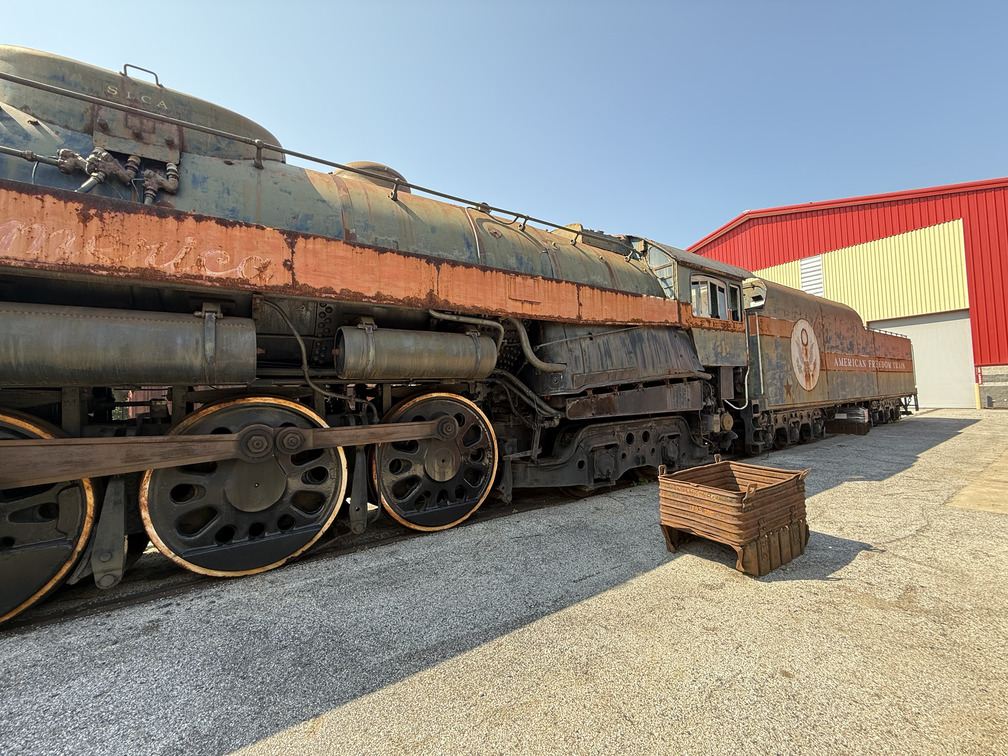
Industrial painting is very different from residential painting. A contractor may be an excellent house painter and still lack the experience needed for an active warehouse, manufacturing plant, or distribution center.
Ask about similar projects, facility types, and challenges they have handled. Experience matters because it helps the contractor anticipate access issues, safety concerns, and scheduling problems before they become costly delays.
Always confirm that the contractor carries appropriate insurance. Request current documentation instead of relying on a verbal statement.
Proper coverage protects your company, your property, and the contractor's team if an injury or accident occurs during the project.
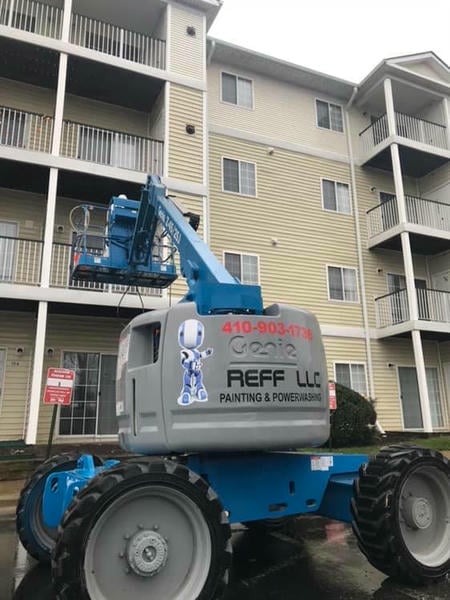
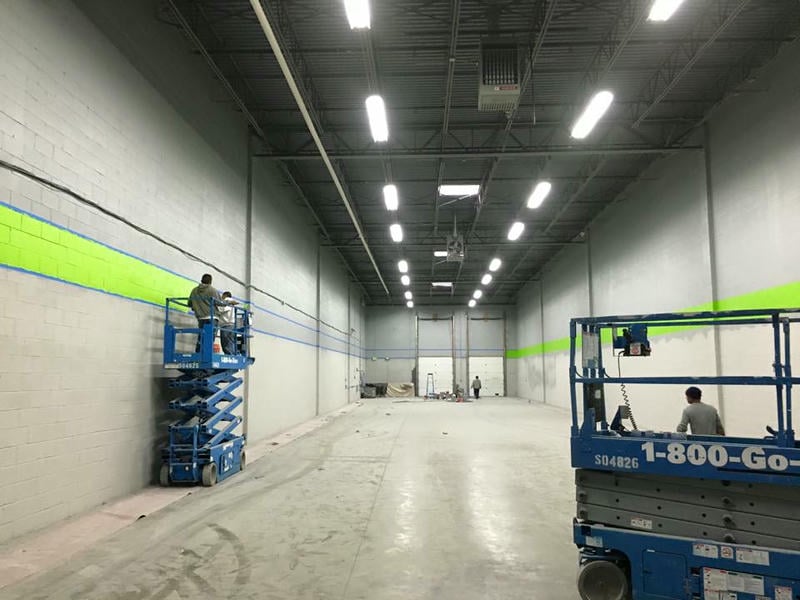
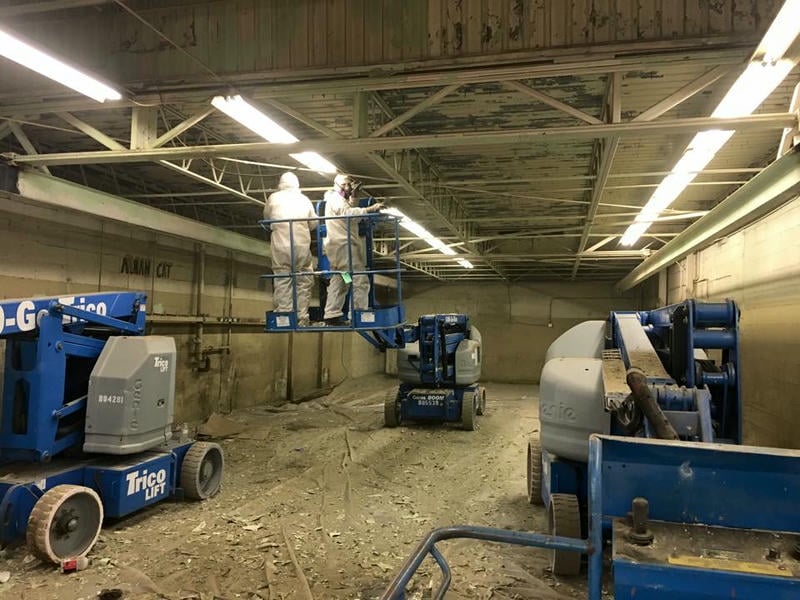
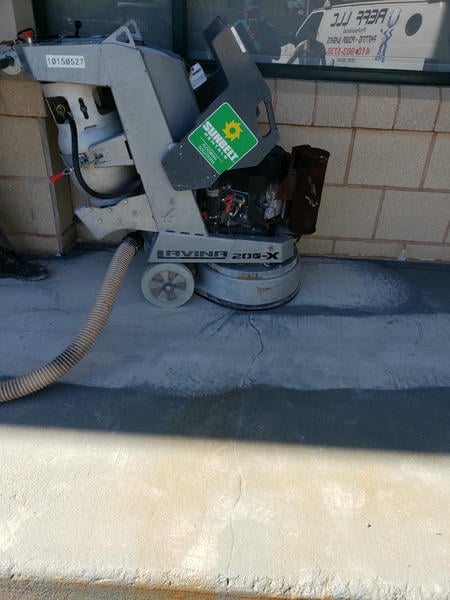
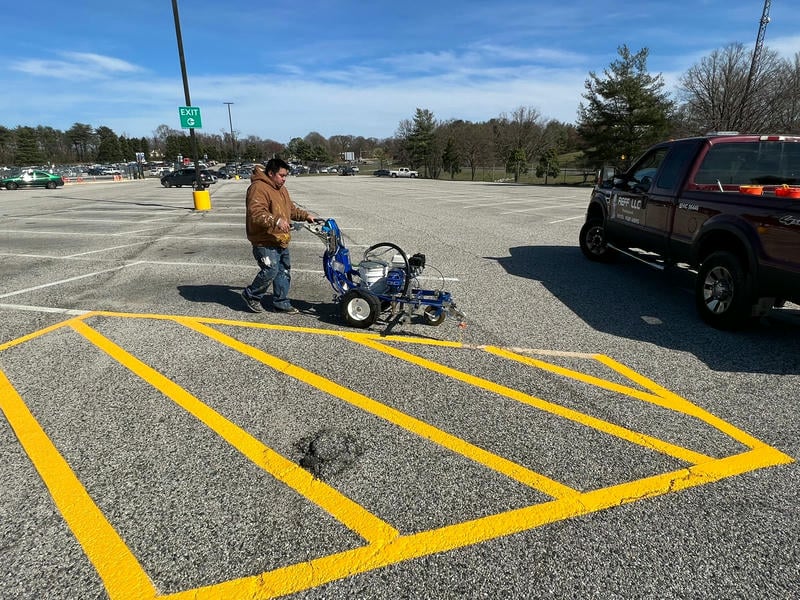
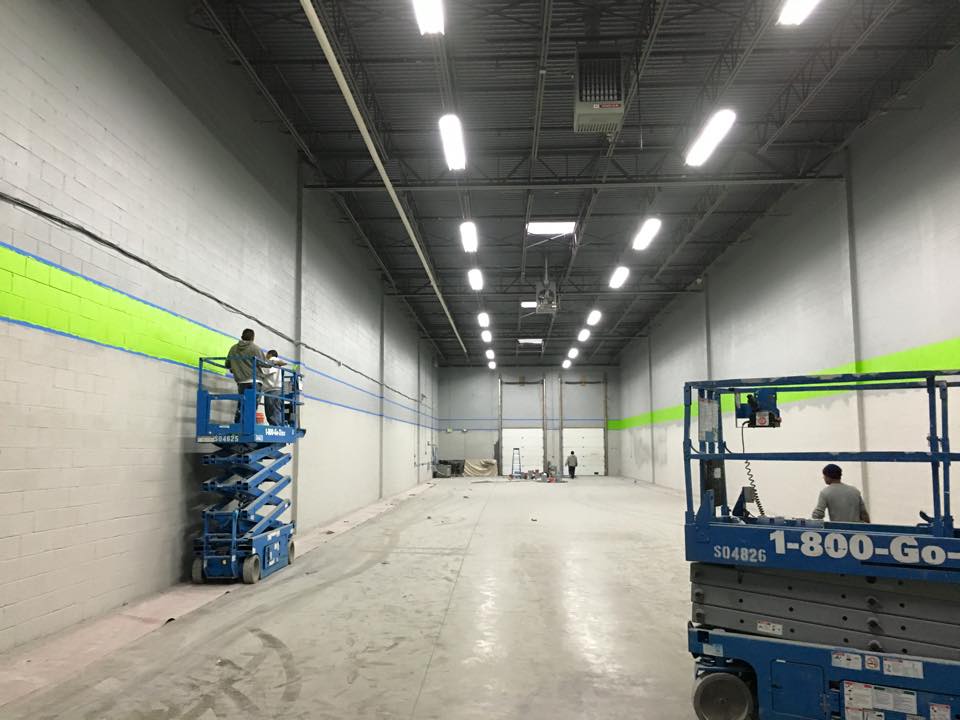
A qualified contractor should have the right equipment for the job. Depending on the project, this may include lifts, sprayers, grinding tools, containment systems, ventilation equipment, and personal protective equipment.
The right tools help the crew work more safely and efficiently, especially in large or difficult-to-reach areas.
Safety should be one of the most important parts of your decision.
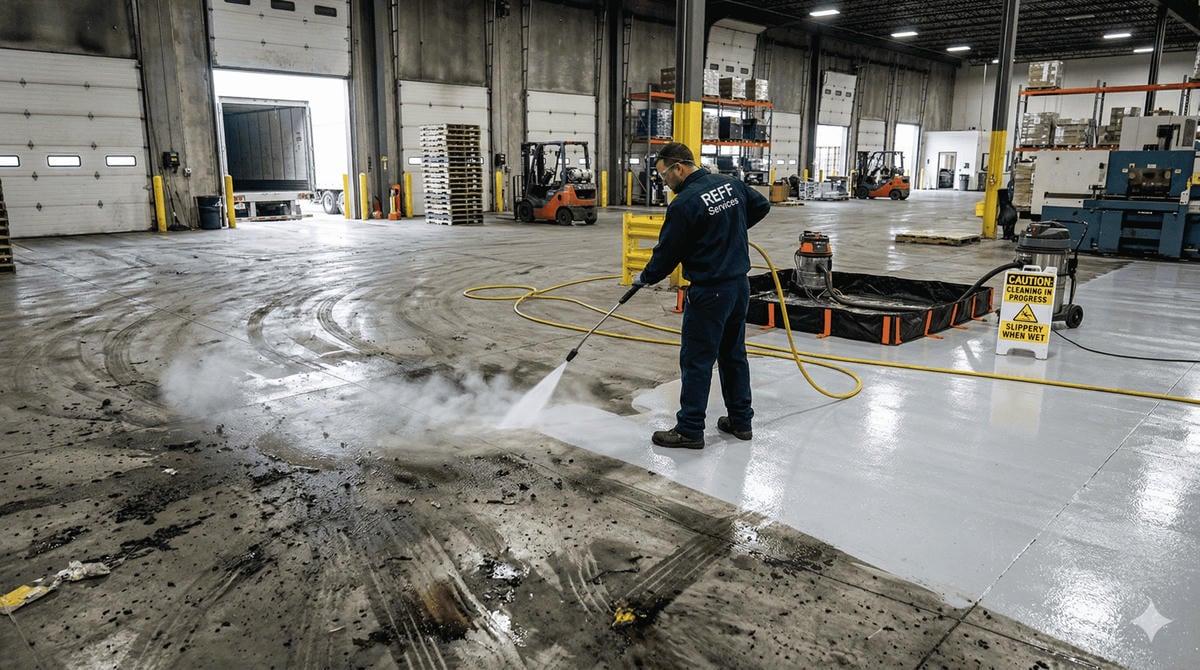
Ask how the contractor plans to protect employees, equipment, inventory, and nearby work areas. They should be able to explain their procedures for access control, fall protection, ventilation, material handling, and cleanup.
A strong contractor will include safety in the project plan from the beginning, not treat it as an afterthought.
The best industrial painting contractor is not always the one with the lowest estimate. Look for a company that communicates clearly, understands your operations, uses appropriate products, carries proper insurance, and has a detailed safety plan.
REFF Services works with industrial and commercial facilities throughout Baltimore and surrounding Maryland communities.
Share this post: