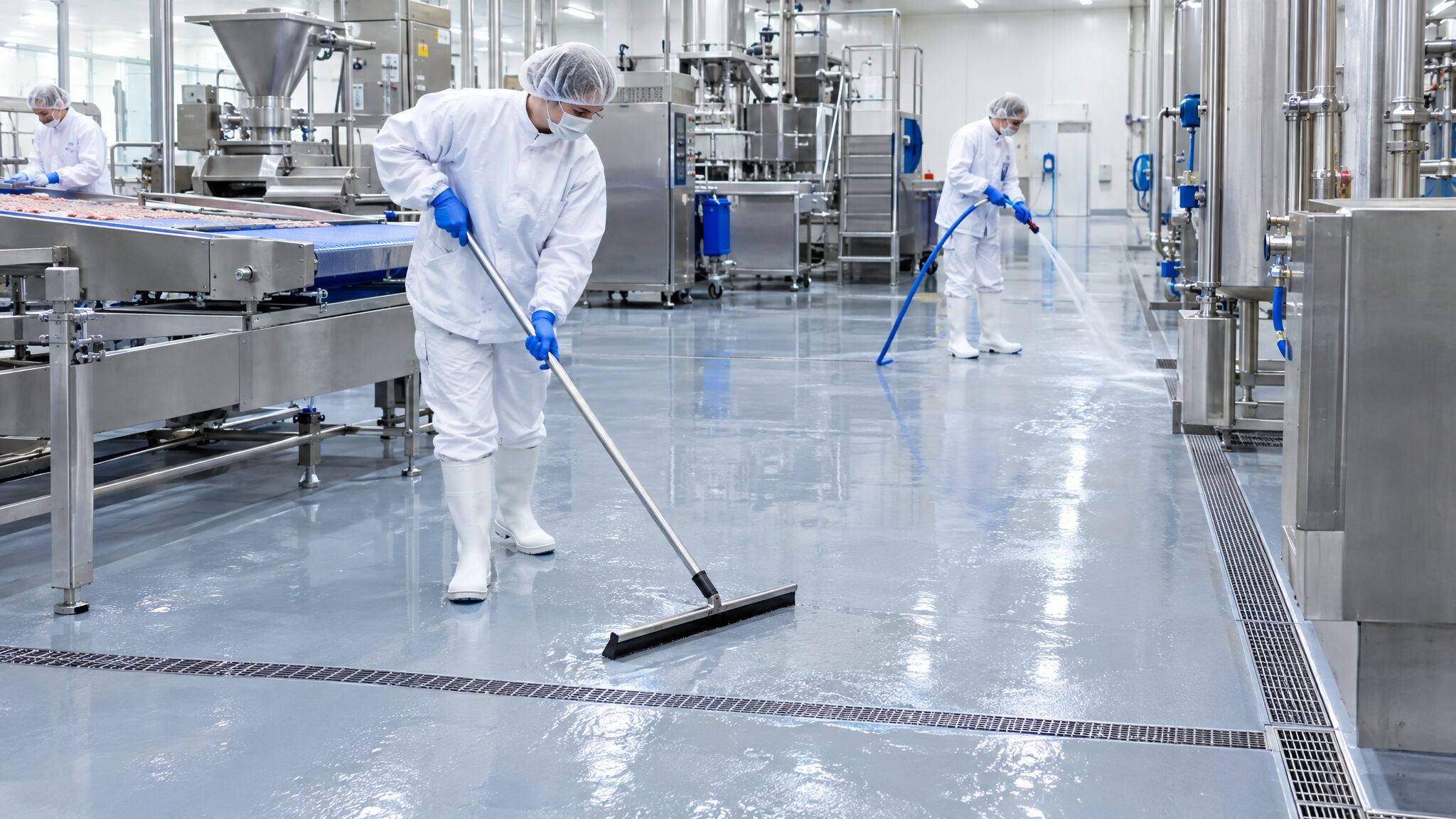
In a food or beverage facility, cleanliness is not optional. Every surface in the building plays a part in keeping products safe, from the production floor to the walls and ceilings above the processing lines. Food safety programs, customer audits, and government regulations all depend on a facility that can be cleaned thoroughly and kept in good condition.
At the same time, these facilities put their surfaces through some of the toughest conditions found in any industry. Floors are exposed to water, spills, hot liquids, fats, sugars, and strong cleaning chemicals, often several times a day. Temperatures can change quickly near ovens, fryers, freezers, and cold storage rooms. Carts, pallet jacks, and forklifts add constant wear on top of it all.
Under these conditions, not every coating will hold up. The right system can protect surfaces, make sanitation easier, and reduce maintenance problems. The wrong one can crack, peel, or trap contaminants in places that are difficult to clean. Knowing what to look for can help you choose a coating that supports both your operations and your food safety goals.
FDA food safety regulations require floors, walls, and ceilings in food facilities to be built so they can be cleaned properly and kept in good repair.
Bare concrete is porous and can absorb liquids and food residue. Cracked or peeling coatings create gaps where moisture and bacteria can collect. Both issues can make sanitation harder and may raise concerns during inspections or audits.
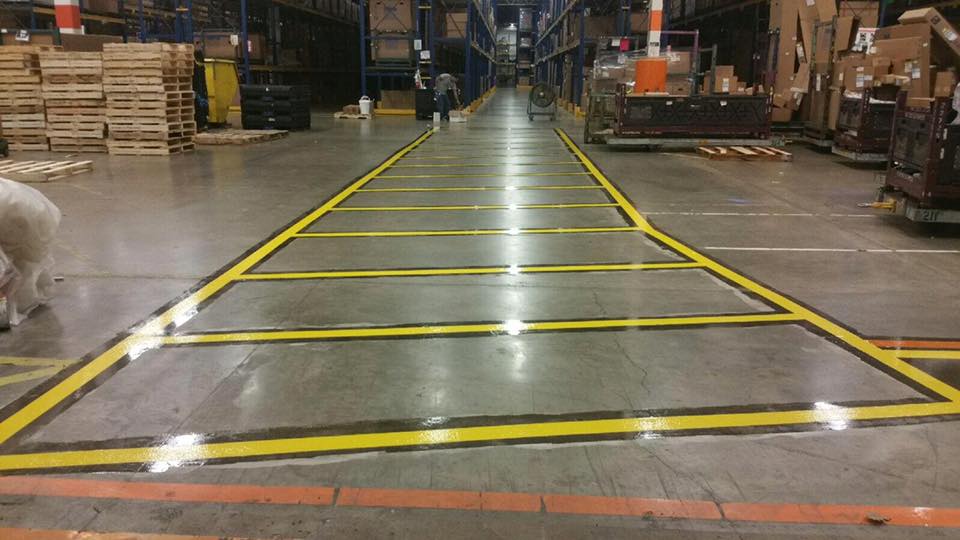
A seamless, non-porous coating helps create surfaces that are easier to clean and maintain.
Coatings for food and beverage facilities should be selected based on the conditions in each area. Important features often include:
Many food facilities use hot water or steam for cleaning. Some areas also experience big temperature changes, such as near ovens, fryers, freezers, or cold storage rooms.
Standard epoxy systems may not be the best choice for areas with frequent high heat or thermal shock. In these spaces, heavier-duty systems designed for heat and temperature changes may perform better.
The contractor should ask about cleaning methods, water temperatures, and equipment before recommending a system.
Food production involves more than harsh cleaning chemicals. Natural substances such as lactic acid in dairy, citric acid in juice, sugars, blood, and fats can also damage floors over time.
Each area of the facility may face different exposures. A processing room, packaging area, and dry storage space may need different coating systems.
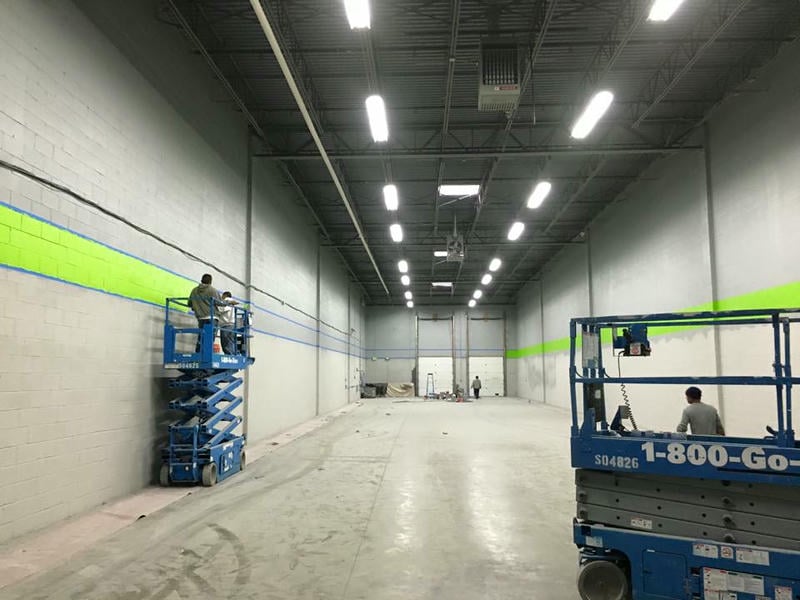
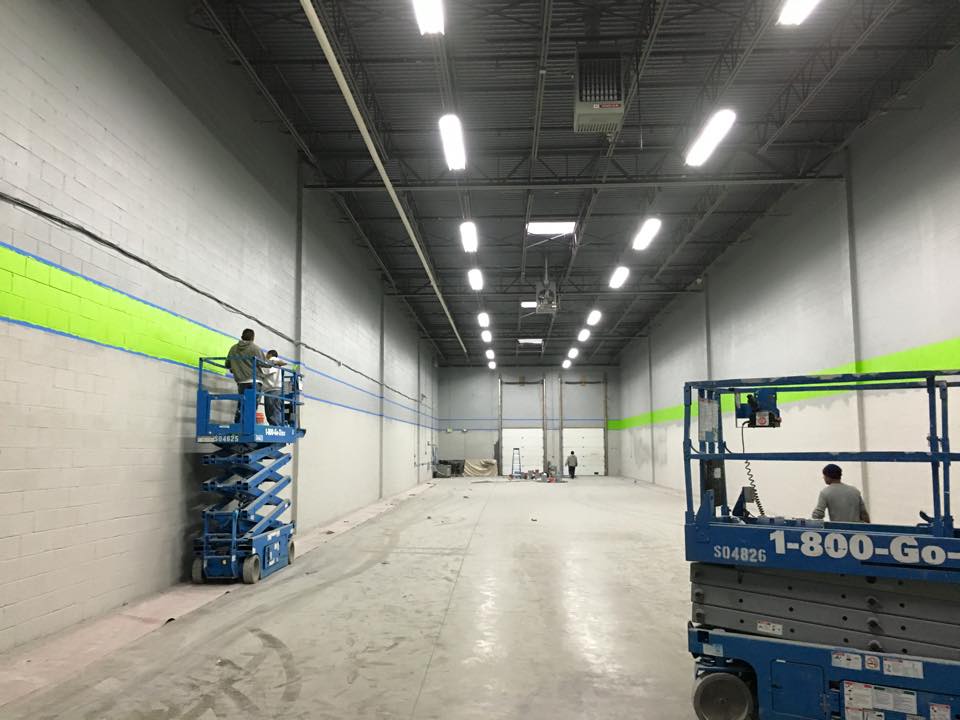
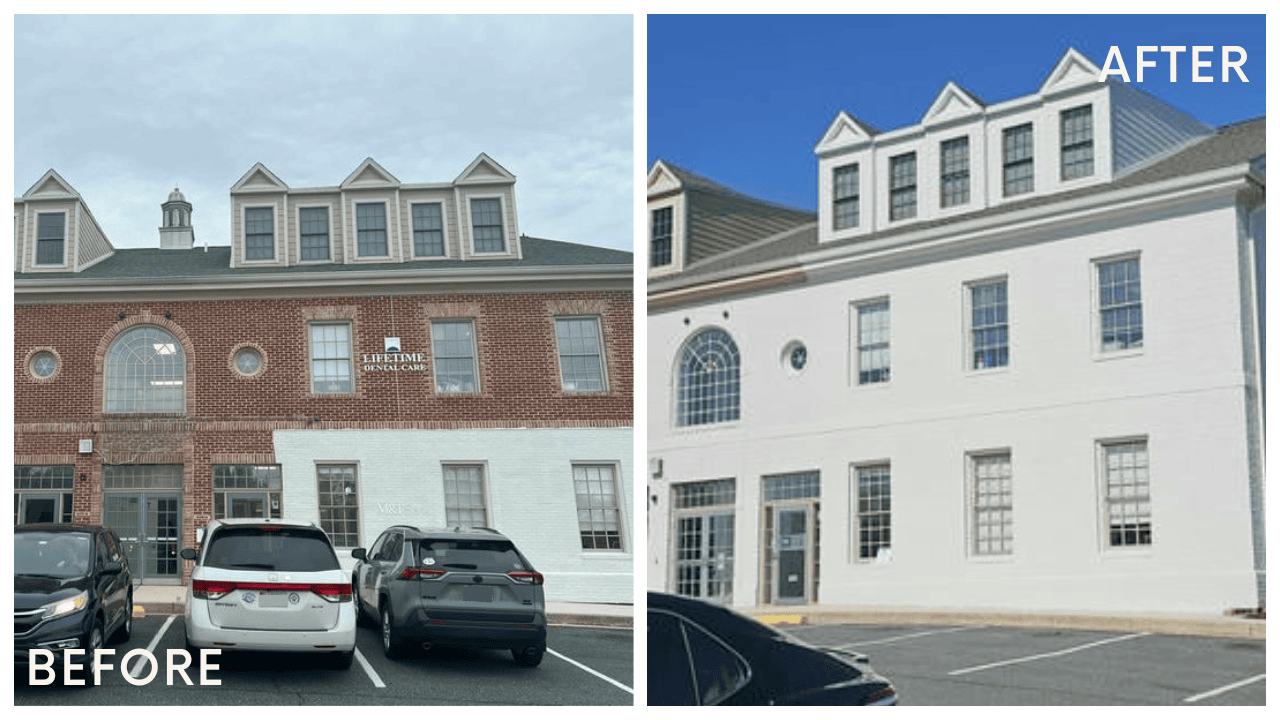
Floors often get the most attention, but walls and ceilings also need to be cleanable and in good repair.
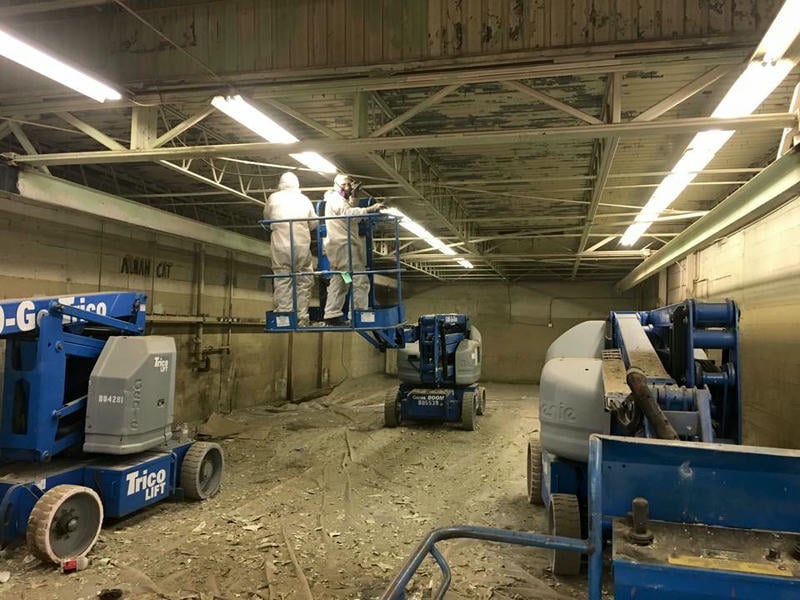
Peeling paint on walls or ceilings can create a risk of flakes falling into production areas.
Durable, washable coatings help protect these surfaces and support a cleaner environment.
Food facilities often cannot shut down for long periods. Coating projects can often be divided into sections or scheduled during planned shutdowns, weekends, or overnight hours.
Some coating systems also offer faster curing times and lower odor, which can help areas return to service sooner. The installation plan should include protecting nearby production areas, ingredients, and packaging from dust and fumes.
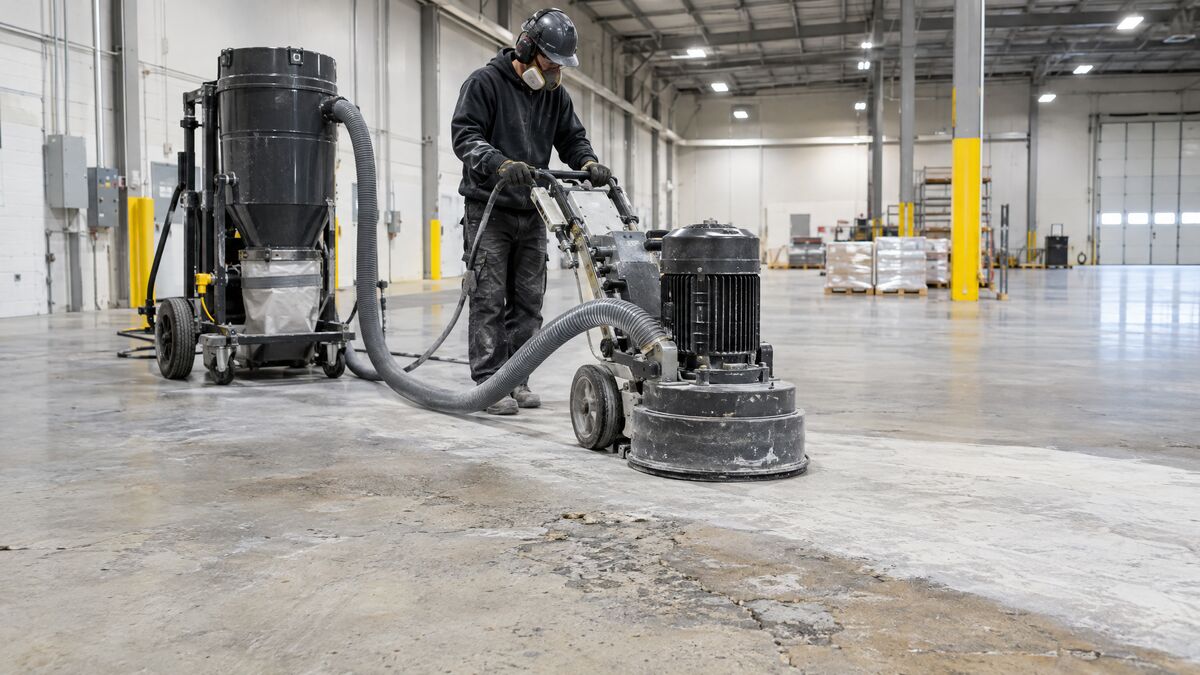
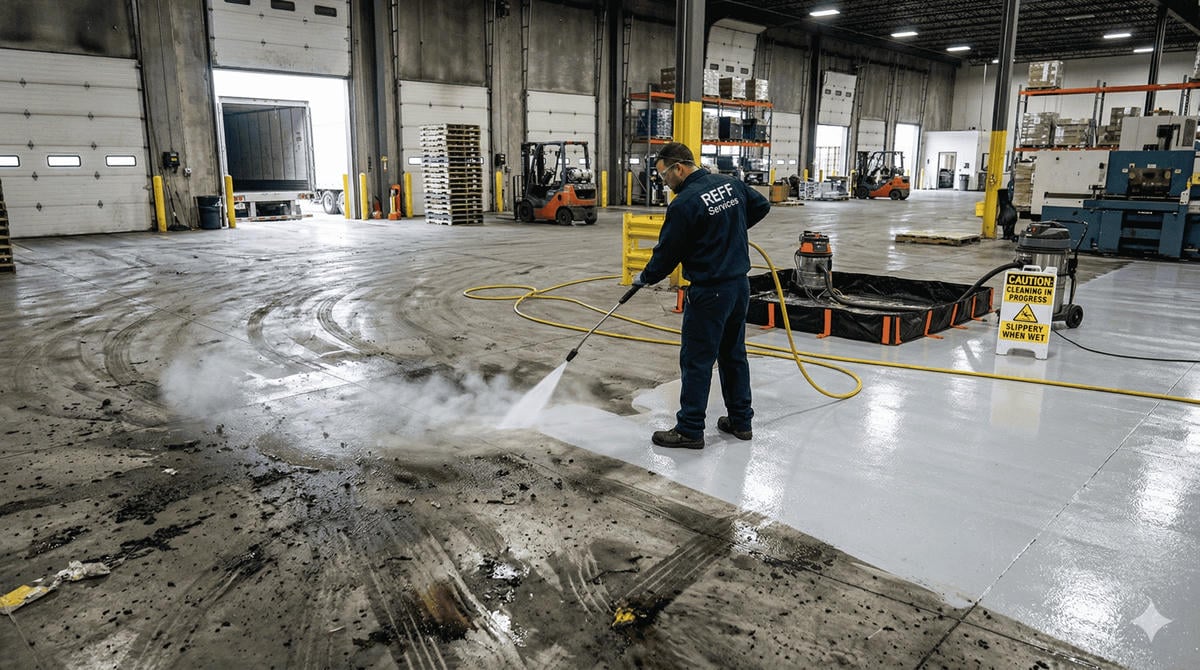
In food facilities, concrete may contain oils, fats, and moisture that have soaked in over many years. These contaminants can prevent a new coating from bonding.
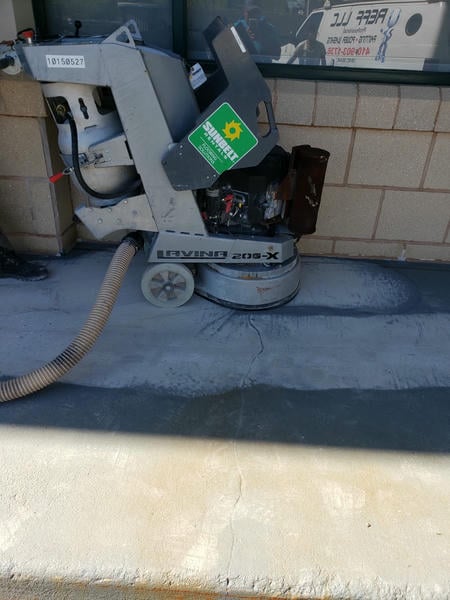
Proper cleaning, grinding, and repair are necessary before installation. Skipping these steps can lead to early failure, which can create sanitation issues and more downtime later.
The right coating system can help food and beverage facilities stay cleaner, safer, and better prepared for inspections. Every facility should also confirm that the selected system meets its own food safety program and audit requirements.
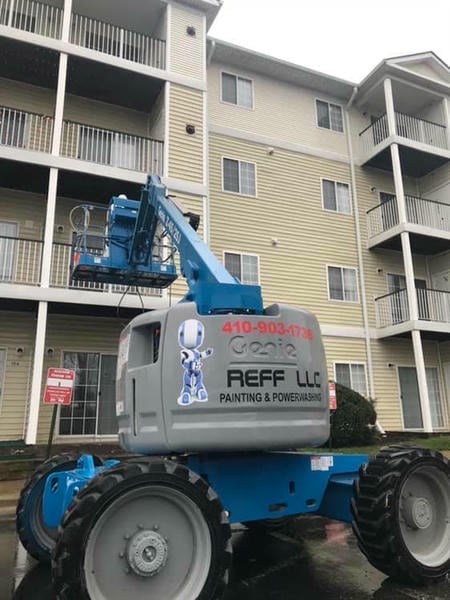
REFF Services provides industrial coatings and epoxy flooring for food and beverage facilities throughout Baltimore and surrounding Maryland communities.
Share this post: