Industrial facilities tend to become significantly dirtier than commercial spaces This happens because they accumulate grease, dust, mold, and debris that routine cleaning cannot handle Beyond appearance, proper cleaning is essential for workplace safety, regulatory compliance, and equipment longevity A maintained environment ensures that operations run smoothly and productivity remains high
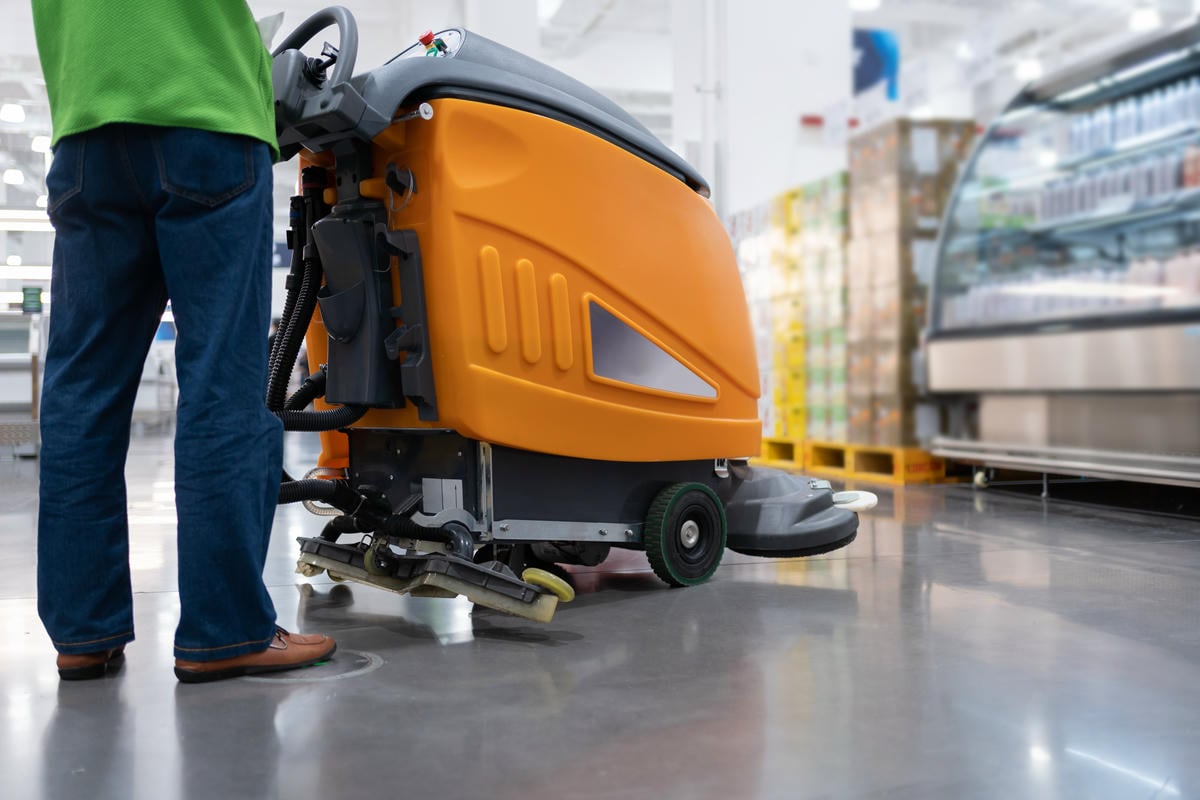
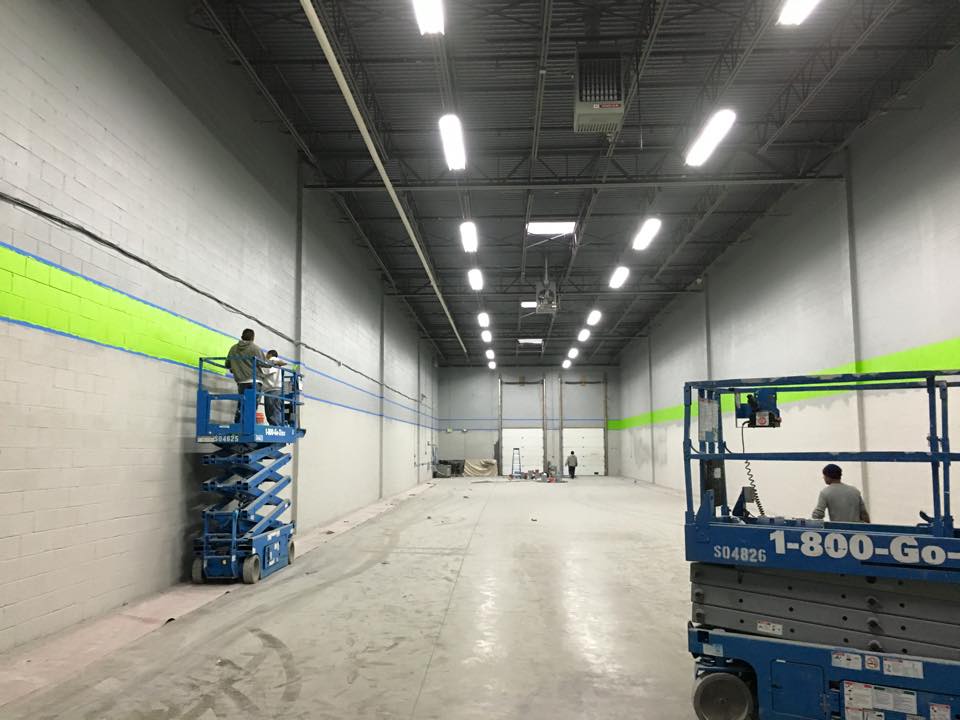
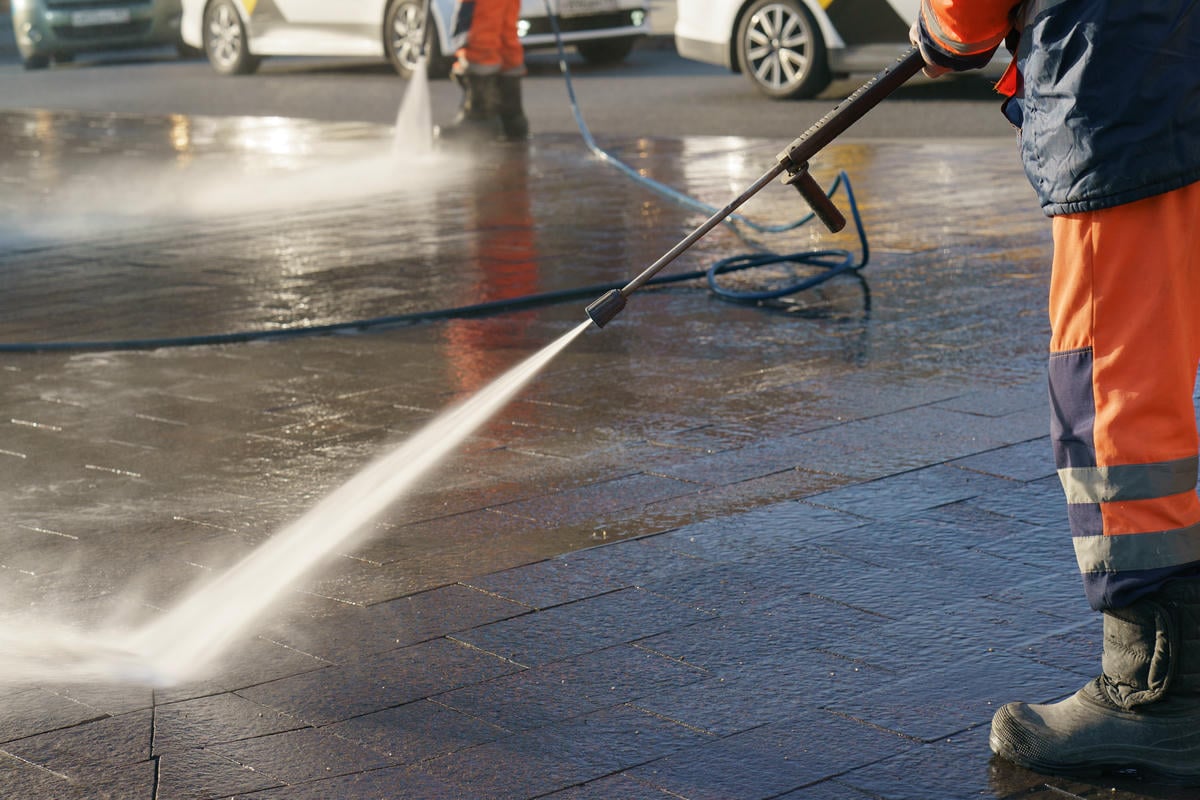
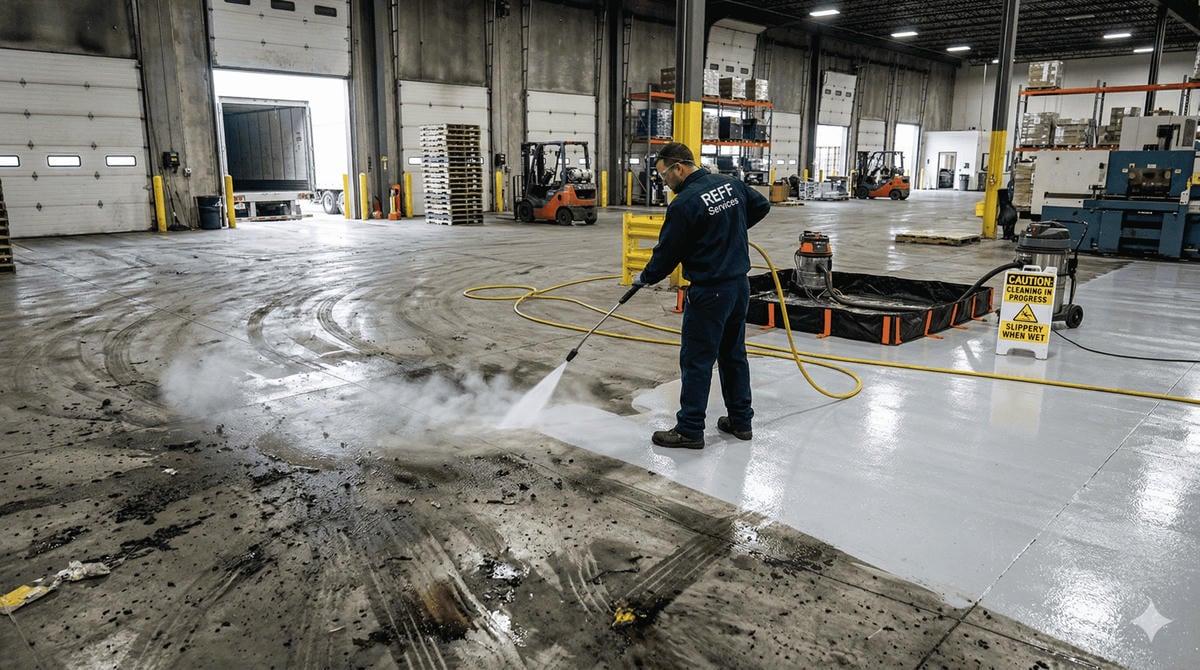
Deep cleaning goes far beyond daily janitorial work like sweeping or trash removal It focuses on heavy buildup and contaminants that accumulate over time Common services include hot-water power washing, industrial degreasing, and floor scrubbing for large concrete surfaces Additionally, environmental compliance is vital, requiring procedures like wastewater containment and recovery This process is also a prerequisite for facility maintenance tasks such as painting or epoxy floor installation
Sanitation standards are stricter for food and beverage processing, healthcare, or pharmaceutical manufacturing These industries require more frequent deep cleaning to meet health regulations
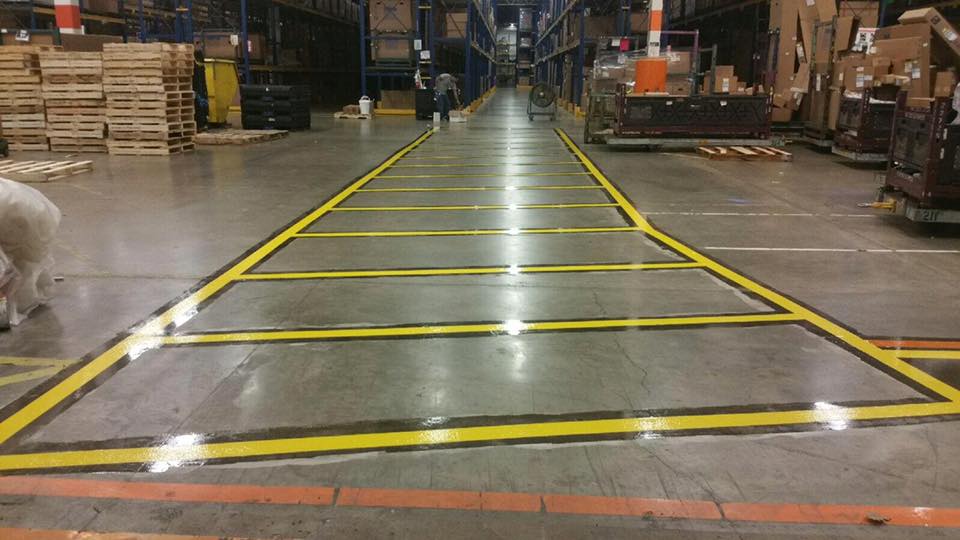
High-activity areas like forklift lanes, loading docks, and entryways accumulate grime faster Frequent cleaning in these zones is necessary to maintain clean surfaces
The type of buildup determines the cleaning approach Facilities with higher levels of contamination are often assigned more frequent schedules
Rain, humidity, or seasonal mold growth can accelerate buildup Locations near highways or construction zones also face increased dust and debris
To avoid accidents or failed OSHA inspections, regular deep cleaning is driven by safety concerns This reduces risks and ensures compliance with ADA and customer audits
Warning signs include slick floors, dark stains, algae growth, unpleasant odors, or dusty vents Customer complaints or inspection notes also indicate the need for immediate action A proactive approach minimizes downtime and emergency costs
The first step is a site walkthrough to identify high-priority, high-risk areas Next, establish a schedule (monthly, quarterly, or semi-annual) based on usage It is important to schedule cleaning during off-hours to minimize operational disruptions Finally, documentation through photos helps with internal reporting and compliance tracking
Share this post: